

Beyond Discovery
Our projects combine scientific expertise and interdisciplinary collaboration to address challenges in biotechnology, health and sustainability
Projects shown: 12
AS4R
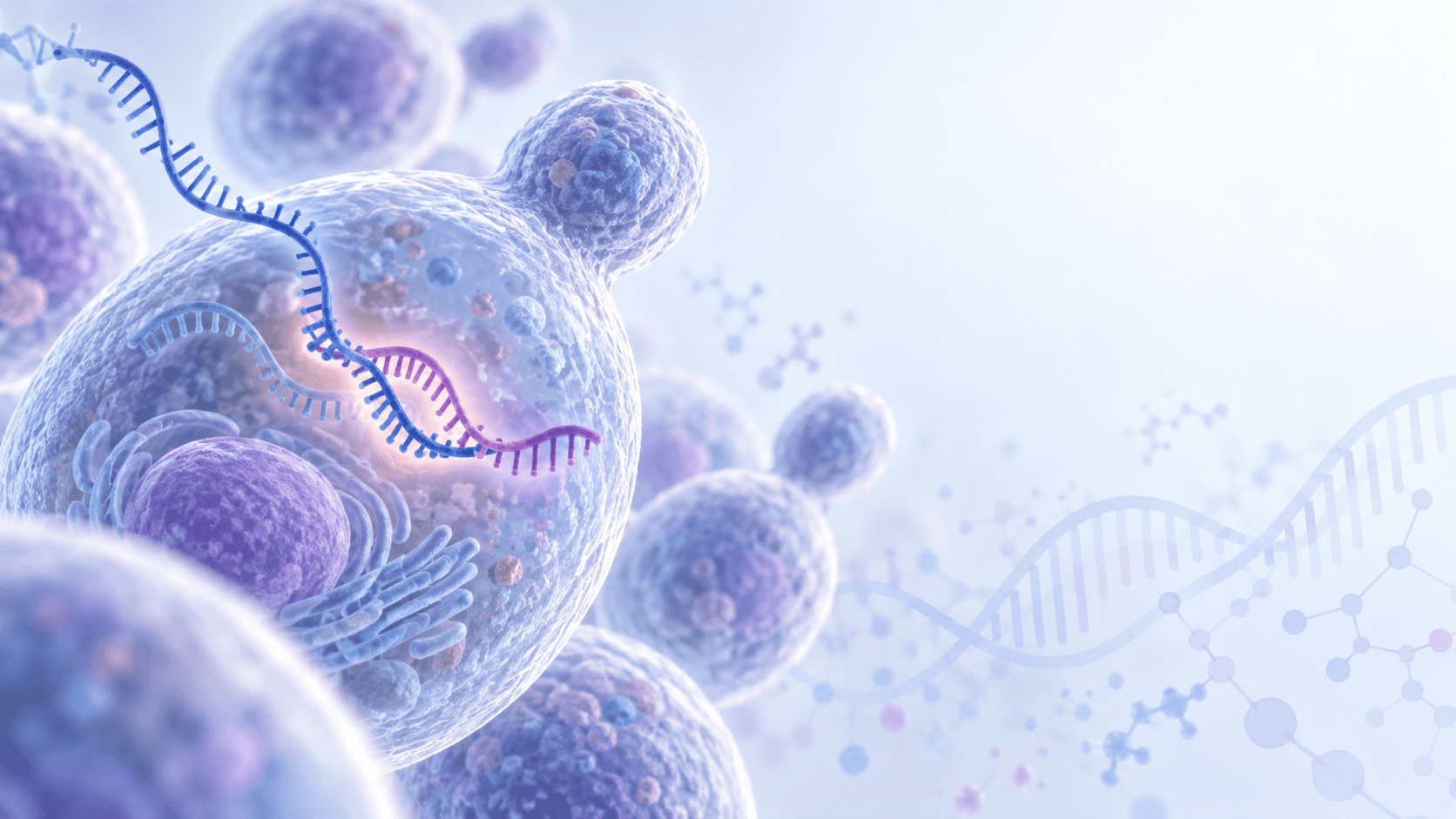
OngoingThe AS4R project aims to develop new anti-Candida therapies based on antisense approaches, while also using OMICS analyses to identify genes involved in antifungal resistance mechanisms.
SABBIN
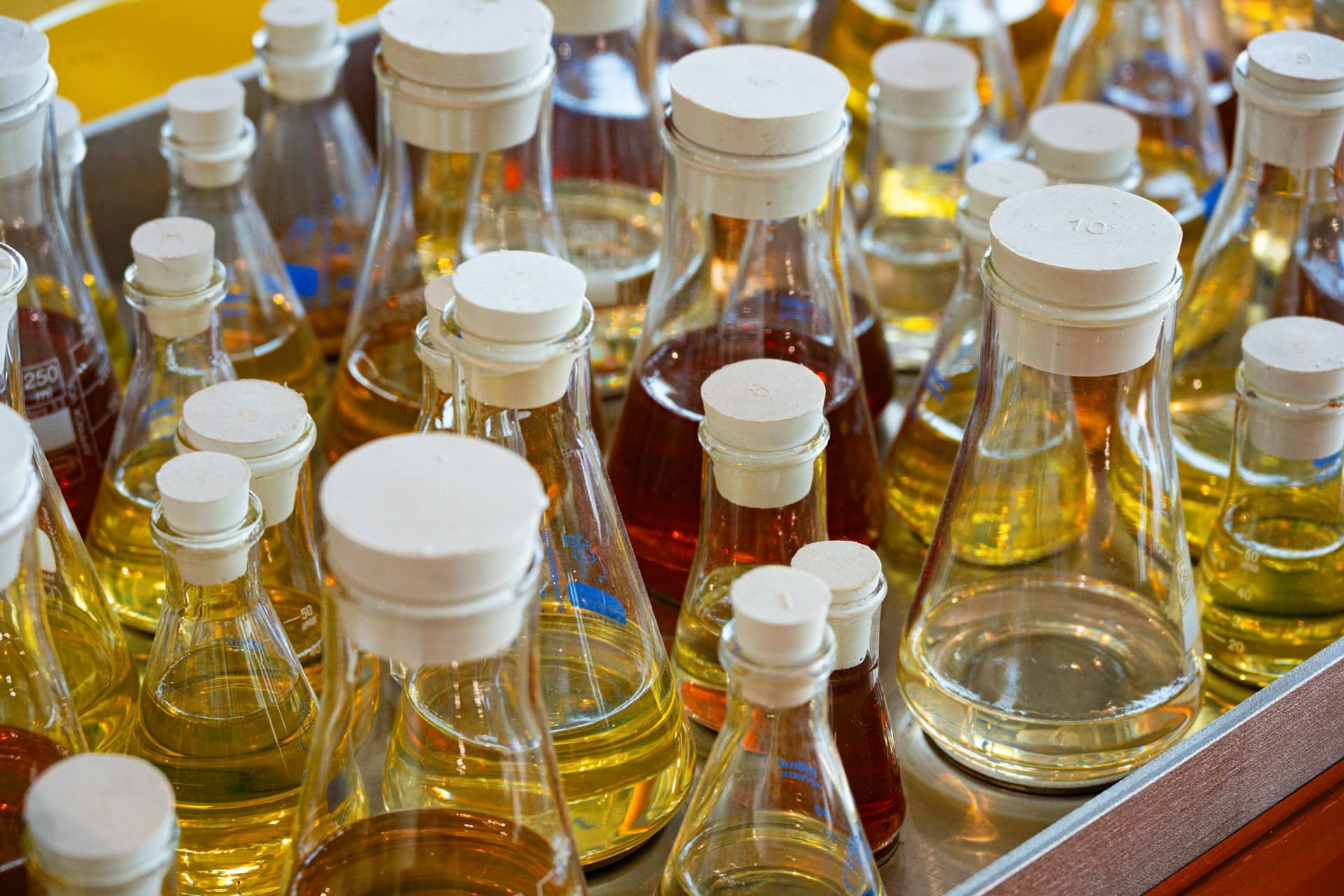
OngoingThe SABBIN project aims to develop innovative biological solutions for biocontrol in the wine industry, promoting the use of beneficial microorganisms and reducing reliance on conventional chemical inputs. By combining yeast biotechnology with sustainable approaches, the project seeks to support more resilient and environmentally friendly wine production in Northern Portugal.

BIO4PAK
OngoingThe BIO4PAK project aims to develop nature-inspired, bio-based and biodegradable food packaging with active antimicrobial properties. By combining biodegradable polymers with bacteriophage-based technologies, the project seeks to improve food safety and shelf life while reducing reliance on fossil-based plastics and supporting a more sustainable circular bioeconomy.

SMARTWINE 2.0
Ongoing
TRAMONTE
Completed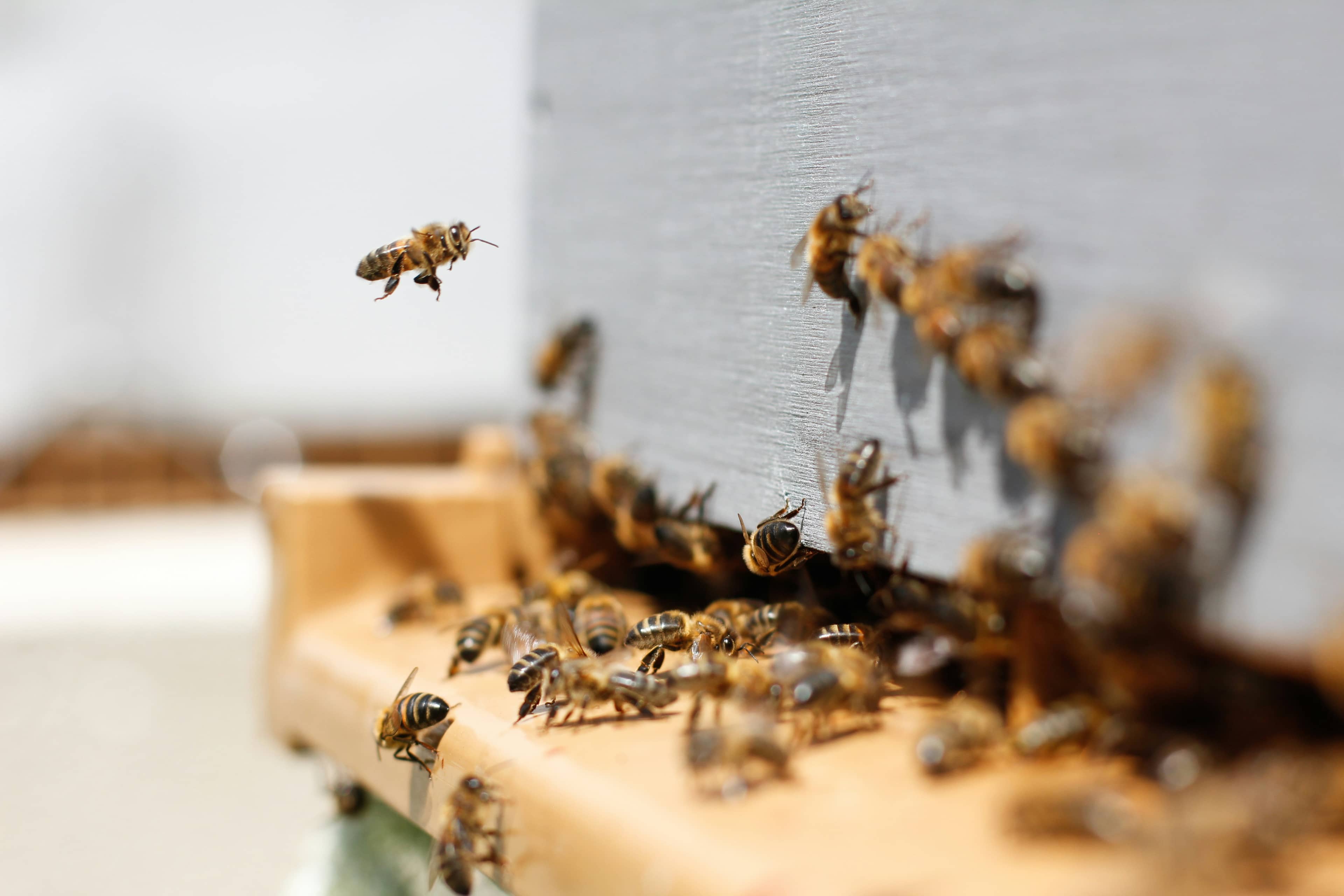
PHARMAPITOX
CompletedThe PHARMAPITOX project aimed to develop an innovative collector and purification protocol for apitoxin (bee venom), enabling the production of purified protein fractions for applications in the pharmaceutical and cosmetic industries.

EuroMicropH
CompletedEuroMicropH brought together researchers from different fields to understand and exploit how microorganisms respond to low pH. The network covered bacteria, yeasts and other fungi, with applications spanning food and beverage microbiology, industrial biotechnology, bioprocessing and the prevention and treatment of infections.
LactoCan
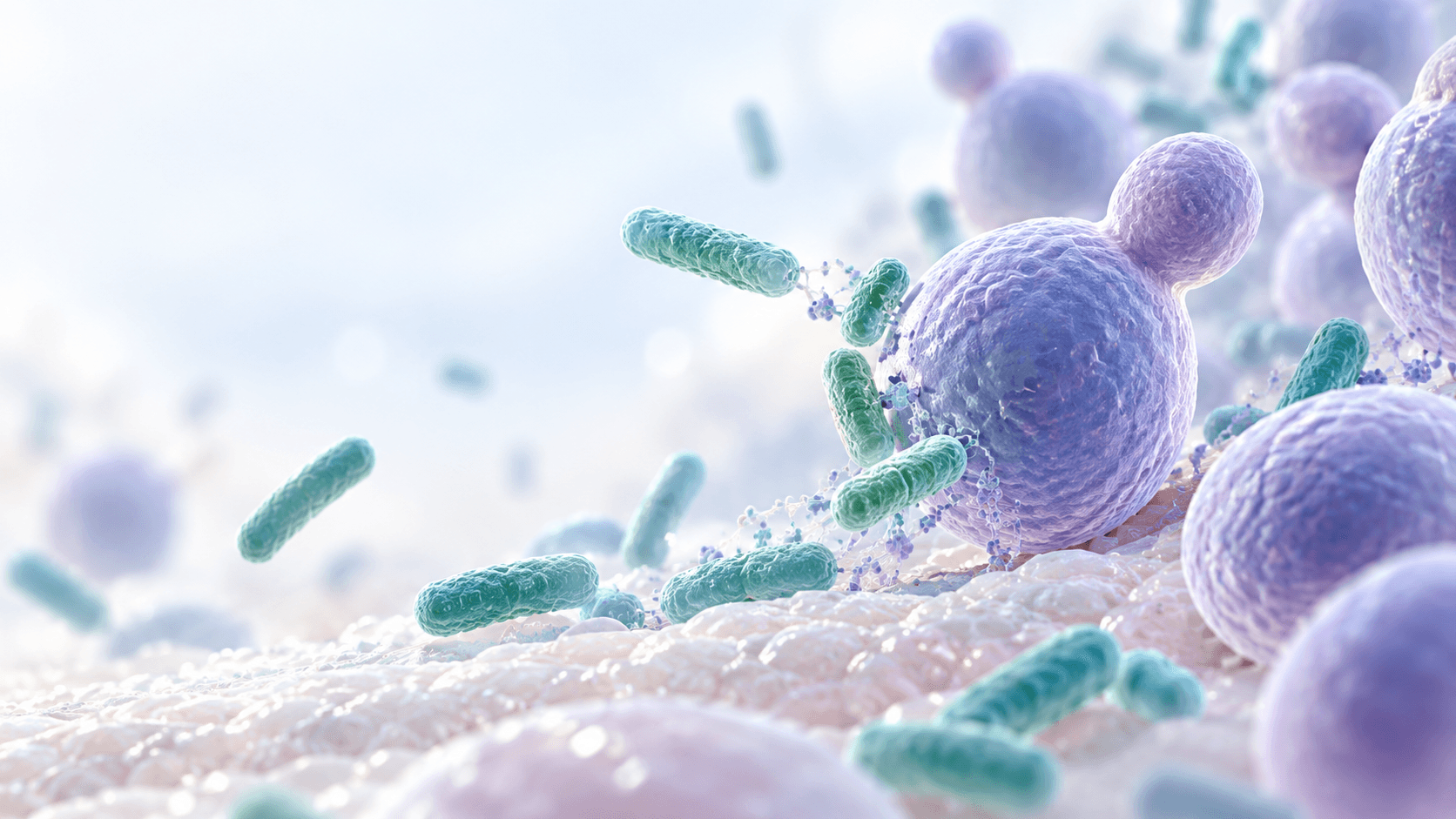
CompletedThe LactoCan project aimed to support the development of new anti-Candida therapies by exploring the interaction between different lactobacilli from the human microbiome and pathogenic Candida species. The project investigated the mechanisms through which lactobacilli can limit Candida growth and pathogenicity, contributing to the development of new probiotic-based therapeutic strategies.
TTraFFic
CompletedThe TTraFFic project aimed to improve the fungal production of itaconic acid, an important building block for the bio-based industry. By combining metabolic engineering, genome-wide screening and the study of cellular transport and toxicity, the project sought to optimize both the production pathway and the host organism, enabling more efficient and sustainable industrial production.

SMARTWINE
CompletedThe SMARTWINE project aimed to develop innovative mixed yeast starter cultures for wine fermentation by integrating genomics and other omics technologies, enabling the production of wines with improved quality, consistency and tailored sensory characteristics.
PANCANDIDA
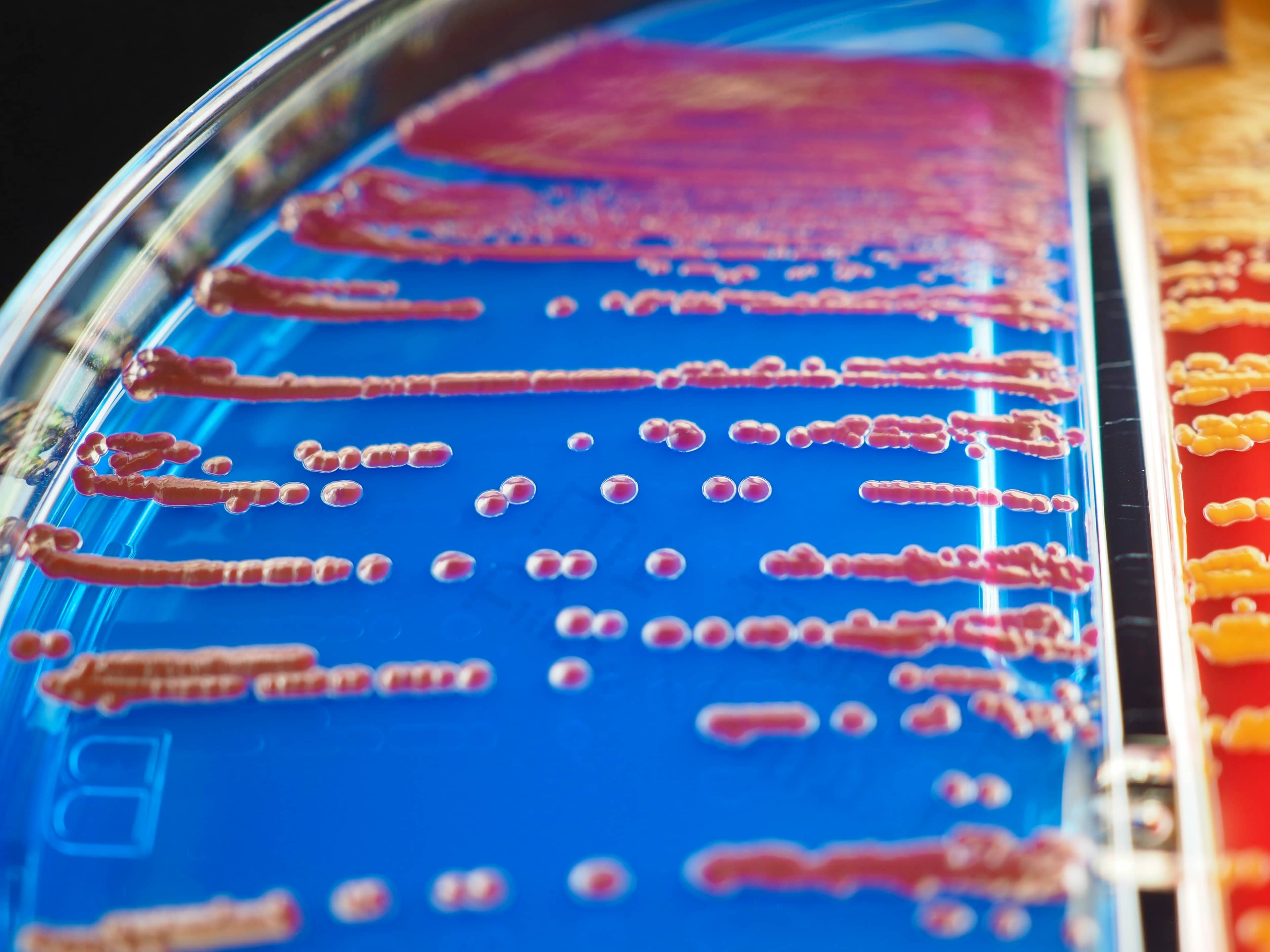
CompletedThe PANCANDIDA project aimed to develop novel diagnostic tools for the early detection of invasive infections caused by Candida albicans and Candida glabrata. By improving the early identification of these pathogens, the project sought to support faster diagnosis and more effective management of invasive fungal infections.