
Welcome
Mira's Lab
Exploring yeast biology to advance biotechnology, improve human health and build a more sustainable future
Welcome
Yeasts as friends or foes
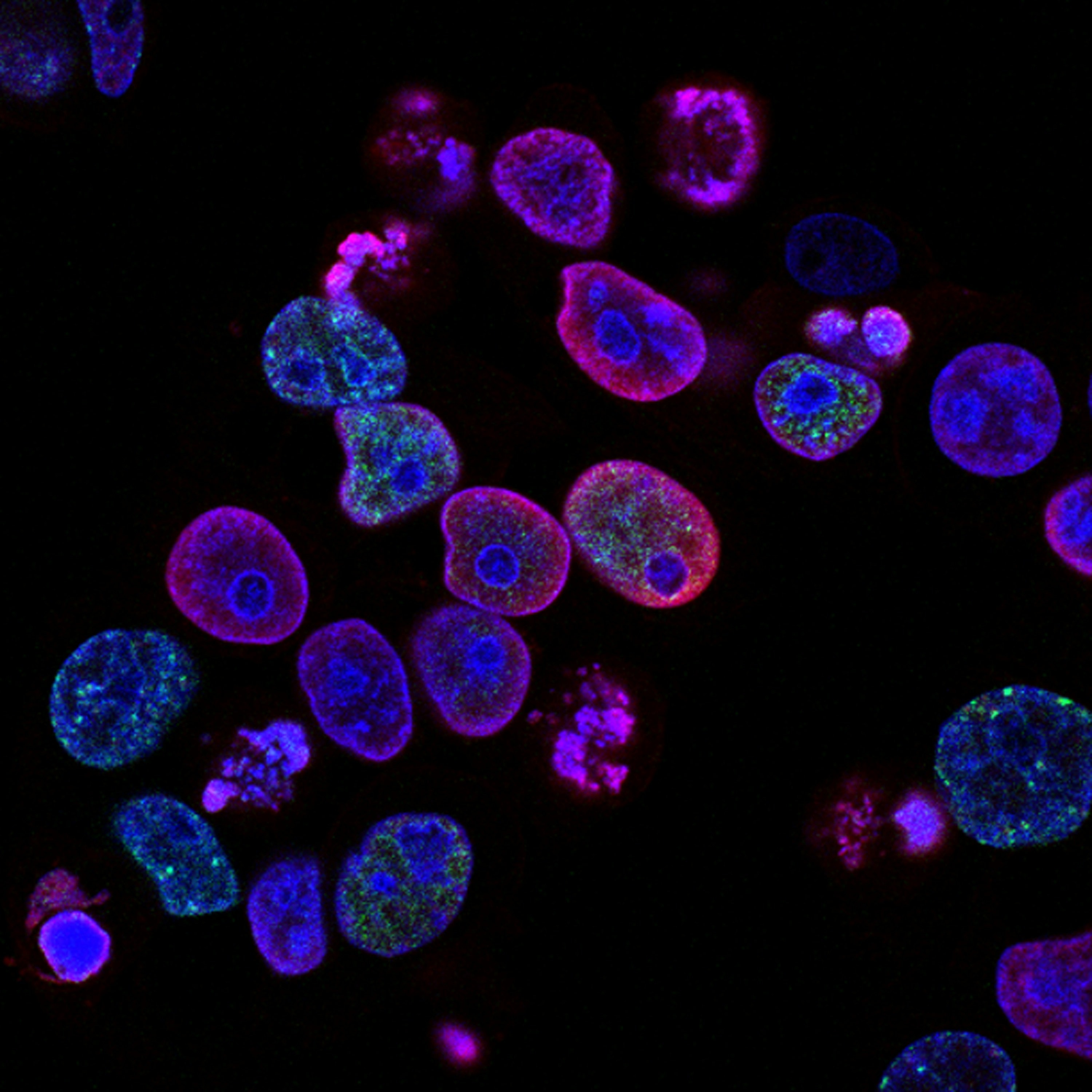
Yeasts shape our world in remarkable ways, from driving sustainable biotechnological processes to causing serious human infections.
At Mira's Lab, part of the Institute for Bioengineering and Biosciences (iBB) at Instituto Superior Técnico, we investigate both sides of yeast biology through genetics, genomics, physiology and molecular microbiology to understand how yeasts function, adapt and evolve.
Our research bridges discovery-driven science with biotechnology, spanning industrial biotechnology, microbial interactions and fungal pathogenesis, with the goal of translating scientific discoveries into innovative solutions for human health, environmental sustainability and industry.
Latest
What's new?
All news →
Mira’s Lab at the XXIII Jornadas de Biologia de Leveduras Professor Nicolau van Uden
XXIII Jornadas de Biologia de Leveduras Professor Nicolau van Uden
Curia, Portugal
Read more 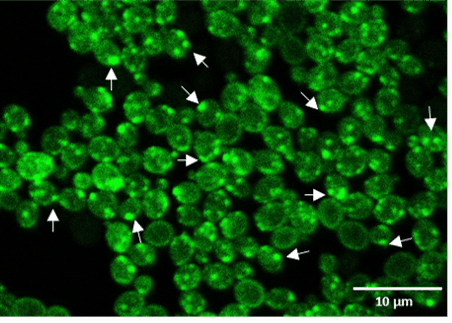
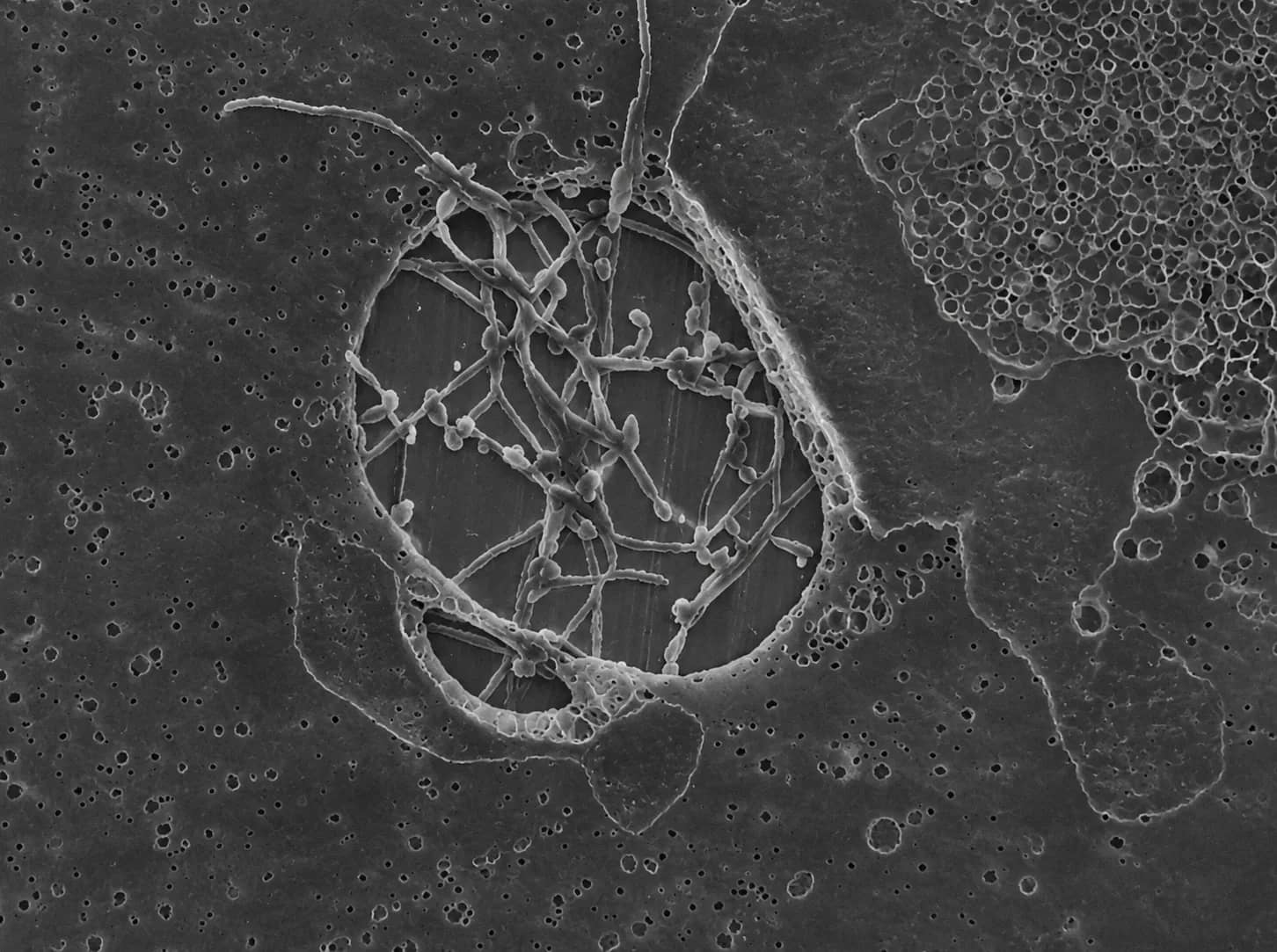
New study reveals alternative mechanisms of azole resistance in Nakaseomyces glabratus
Azole resistanceErgosterol BiosynthesisMembrane Biology
View article 
Mira’s Lab joins BIO4PAK, a new European project funded by the EIC Pathfinder
Mira’s Lab is part of the BIO4PAK European consortium, funded under the Horizon Europe EIC Pathfinder Challenges programme, which aims to develop a new generation of sustainable and bioactive food packaging to help prevent bacterial contamination.
Read moreLatest
Research projects
All projects →
BIO4PAK
OngoingThe BIO4PAK project aims to develop nature-inspired, bio-based and biodegradable food packaging with active antimicrobial properties. By combining biodegradable polymers with bacteriophage-based technologies, the project seeks to improve food safety and shelf life while reducing reliance on fossil-based plastics and supporting a more sustainable circular bioeconomy.
European Union – Horizon Europe (EIC Pathfinder Challenges)
Read more →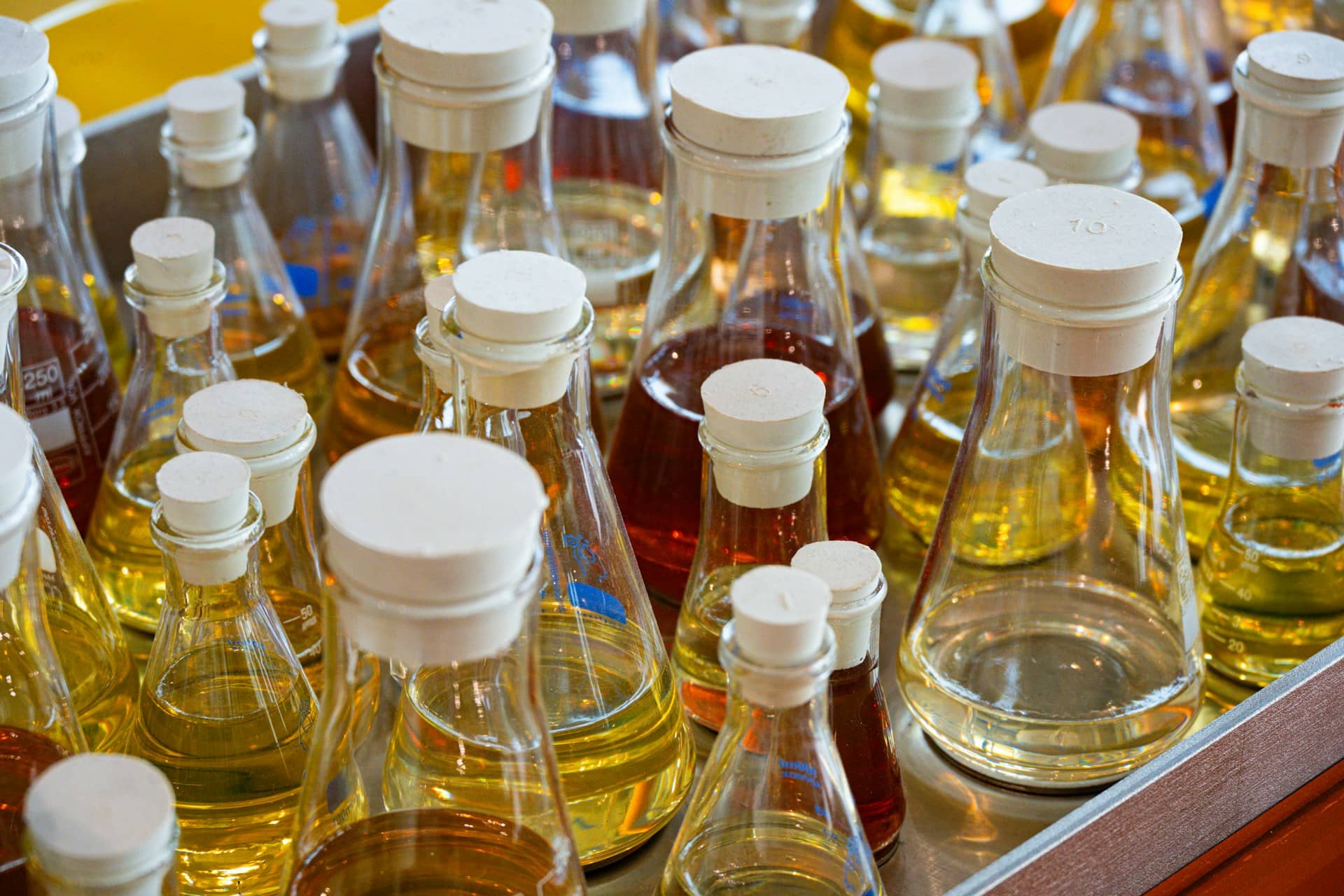
SABBIN
OngoingThe SABBIN project aims to develop innovative biological solutions for biocontrol in the wine industry, promoting the use of beneficial microorganisms and reducing reliance on conventional chemical inputs. By combining yeast biotechnology with sustainable approaches, the project seeks to support more resilient and environmentally friendly wine production in Northern Portugal.
Fundação La Caixa
Fundação para a Ciência e Tecnologia (FCT)
Banco Português de Investimento (BPI)
Read more →
SMARTWINE 2.0
OngoingThe SMARTWINE 2.0 project aims to develop tailored 2-in-1 yeast starter cultures for wine fermentation, combining complementary yeast properties to reduce the need for chemical preservatives while producing wines with distinct characteristics. The project seeks to promote more sustainable wine production through innovative microbial solutions.
Fundação para a Ciência e a Tecnologia (FCT)
Read more →Latest